1 - 20 of 180 Results

Date:
In Ecuador, the Centro de Planificiación y Estudios Sociales (CEPLAES) works to ensure that rural, Indigenous, Afro-Ecuadorian and trans women, can exercise their political rights without fear of violence.
Date:
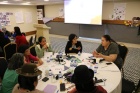
From 25 to 29 February, the UN Trust Fund to End Violence against Women brought together its #UNTFCommunity from its 26th grant cycle for a capacity enhancement workshop in Istanbul.
Date:
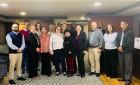
From 25 – 29 February, while part of the UN Trust Fund to End Violence against Women team welcomed its grantee partners from the 26th cohort, the Operations team of the UN Trust Fund was leading a parallel workshop with nine UN Women Country Offices.

Date:
With support from the UN Trust Fund to End Violence against Women, Lesedi la Batho, a women-led and faith-based organization, is running a three-year project to empower and support survivors of violence against women and help them reclaim their rights.

Date:
Circuit Pointe, a women’s rights organization in Nigeria, has been leading a project in Imo and Ebonyi states since 2022 to address violence against marginalized women and girls, including female genital mutilation (FGM). The UN Trust Fund to End Violence against Women (UN Trust Fund) is supporting the project.
Date:
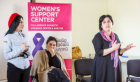
Support by a small grant by the UN Trust Fund, the Women's Support Center leads a project to support 1,080 women and girl survivors of interpersonal violence in seven regions, and internally displaced women and girls in three regions, in an effort to end the cycle of abuse in the COVID-19 and post-conflict context.
Date:
The day of We Rise 2023 started off with a participatory session inviting grantee organizations to share reflections from Day 2 and expectations for the rest of the Regional Learning Exchange.
Date:
The second day of We Rise 2023 focused on reflections from grantee organizations, movement building to drive transformative change and thematic workshop sessions.
Date:
On December 4, 2023, the UN Trust Fund to End Violence against Women (UN Trust Fund) kicked off its first regional learning exchange, “We Rise 2023”, bringing together over 55 grantees located in Africa and Latin America who received funding from the UN Trust Fund under the EU/UN Spotlight Initiative for the past three years.

Date:
Development Minister Andrew Mitchell announced the new support up to £18m for grassroots women’s rights organizations to the UN Trust Fund to End Violence against Women at an event in the Foreign, Commonwealth & Development Office (FCDO) to mark the annual 16 Days of Activism against Gender-Based Violence.
Date:
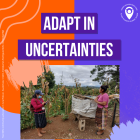
Twice funded by the UN Trust Fund, the Women’s Justice Initiative, a women-led civil society organization, is working to improve service delivery, prevention of violence and access to justice for Indigenous women and girls living in rural communities in Guatemala.

Date:
Supported by a grant from the UN Trust Fund under the EU/UN Spotlight Initiative, the women-led organization Fonds pour les Femmes Congolaises runs a girl-led project to prevent sexual violence and harmful practices against schoolgirls in 10 provinces of the Democratic Republic of the Congo.

Date:
In Tajikistan, the public organization Women’s Center “Gulrukhsor”, supported by a grant from the UN Trust Fund, is leading a project to prevent violence against women living with disabilities by supporting them and their caretakers, including those from rural and Uzbek ethnic communities.
Date:
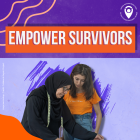
With support of the UN Trust Fund, the international NGO Collateral Repair Project is leading a project called “Women Empowerment & Gender Based Violence Prevention in Urban Amman” to address and prevent the different forms of violence faced by refugee and internally displaced women and girls in Jordan’s capital.
Date:
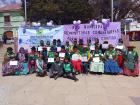
With support from the UN Trust Fund to End Violence against Women, the women-led, women’s rights organization Centro Yanapasiñani Bolivia para el desarrollo de la Mujer y la familia has been leading a project since 2021 to support Indigenous Aymara women and girl survivors of violence in a rural area of Coro Coro municipality to access justice and reclaim their rights.
Date:
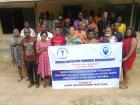
With support from the UN Trust Fund to End Violence against Women, the women-led organization Women United for Economic Empowerment is running a project in Nigeria to prevent and address gender-based violence, particularly in rural areas.

Date:
The Centre for Catalyzing Change (C3) is a women-led non-profit organization dedicated to empowering Indian women and girls to reclaim their rights, access opportunities and achieve gender equality. With the support of the UN Trust Fund, C3 is leading a three-year project to reduce the prevalence of child marriage and protect girls’ rights.
Date:
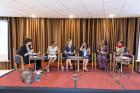
On 18 July, at the Women Deliver 2023 conference in Kigali, Rwanda, the UN Trust Fund to End Violence against Women (UN Trust Fund) held an in-person only side-event entitled “A conversation with UN Trust Fund grantee organizations”.
Date:
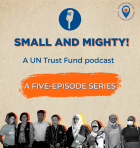
Listen now to “Small and Mighty!”, a podcast produced by the UN Trust Fund to End Violence against Women. It, focusesd on the crucial role played by small organizations working to end violence against women and girls;, on their inspiring work to lead transformative change despite limited resources and major challenges; and, on their resourcefulness, flexibility and achievements for women and girls around the world.
Date:
FACT led a project to prevent and address family and community violence against refugee women and girls in Malawi, supported by the UN Trust Fund under the Special Funding Window on addressing violence against women and girls in the context of the current forced displacement and refugee crisis.